Introduction
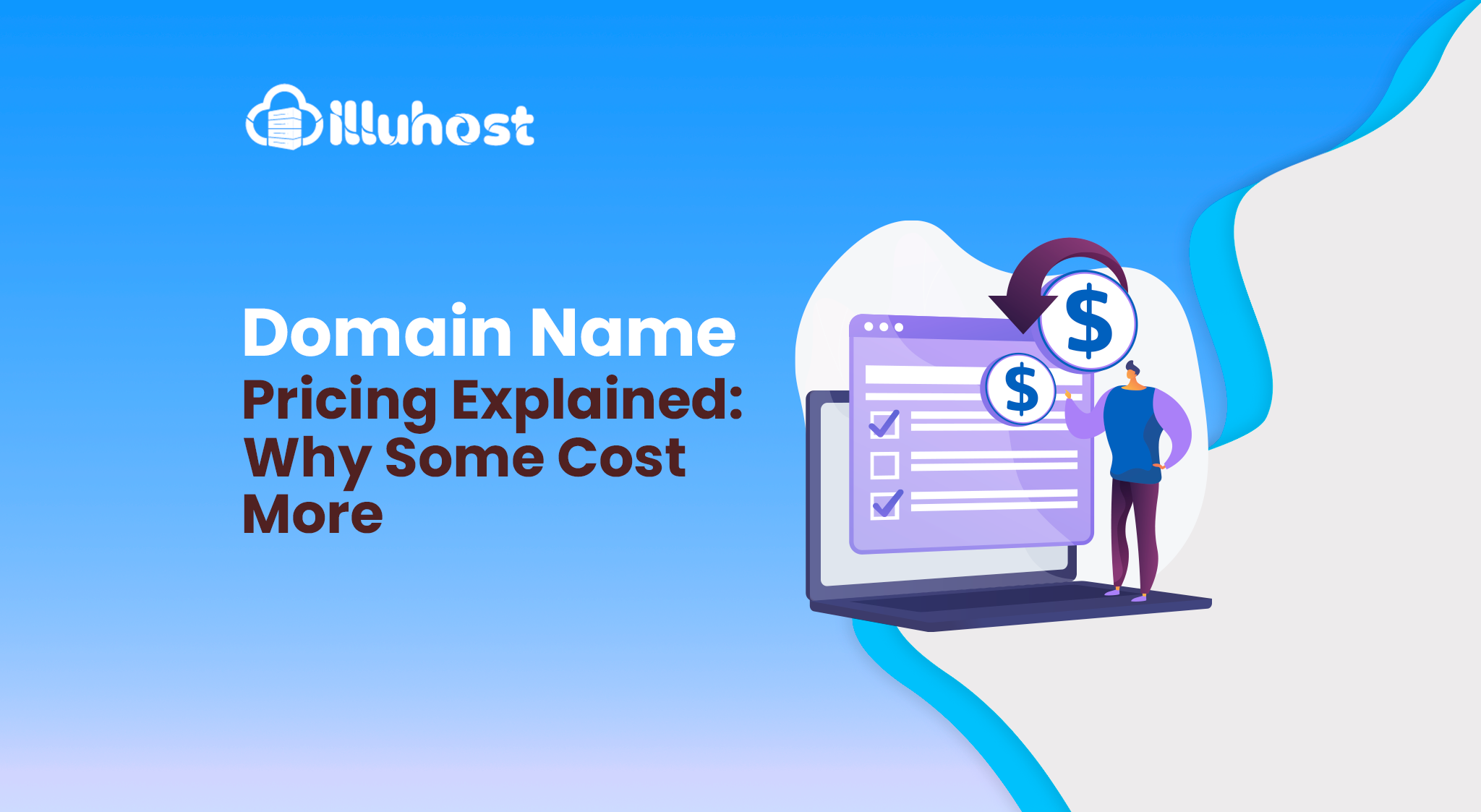
If you’ve ever searched for a domain name, you’ve probably noticed that prices can vary dramatically. Some domains cost less than $10 per year, while others are listed for thousands—or even millions—of dollars. This difference often surprises new website owners and business entrepreneurs.
Understanding how domain pricing works can help you make smarter decisions when choosing the perfect web address for your business, blog, or online store. In this guide, we’ll explain why some domain names cost more than others and what factors influence their value.
What Is a Domain Name?
A domain name is your website’s address on the internet. It allows users to find your website easily without remembering a complex IP address.
Examples include:
- yourbusiness.com
- myblog.net
- startup.ai
When you register a domain, you’re essentially renting the right to use that web address for a specific period, usually one year at a time.
Factors That Affect Domain Name Pricing
1. Domain Extension (TLD)
The extension, also known as the Top-Level Domain (TLD), plays a major role in pricing.
Common examples include:
- .com
- .net
- .org
- .io
- .ai
- .xyz
Generally, .com domains are the most popular and trusted, which often makes them more valuable. Newer extensions such as .ai and .io may carry higher registration fees because of strong demand from technology and startup companies.
2. Domain Length
Shorter domain names are usually more expensive.
For example:
- abc.com
- tech.com
- shop.ai
Short domains are easier to remember, type, and brand. Since there are very few available, their scarcity increases their value.
3. Keyword Value
Domains containing popular search keywords often command higher prices.
Examples:
- insurance.com
- travelguide.com
- webhosting.net
These domains may attract direct traffic and offer SEO advantages through brand recognition, making them desirable for businesses.
4. Brandability
A brandable domain is easy to remember, pronounce, and market.
Examples:
- Spotify
- Airbnb
Even if a word has no dictionary meaning, it can be valuable if it sounds professional and memorable.
5. Market Demand
Like real estate, domain names are affected by supply and demand.
Industries experiencing rapid growth often see increased domain prices. For example, domains related to:
- Artificial Intelligence
- Cryptocurrency
- Cloud Computing
- Cybersecurity
have experienced significant price increases due to growing interest from businesses and investors.
6. Premium Domains
Some domains are classified as premium domains.
These may be:
- Owned by investors
- Reserved by registries
- Highly desirable keywords
Premium domains often have one-time purchase prices ranging from hundreds to millions of dollars.
For example, a simple one-word .com domain could sell for an extremely high amount because of its marketing potential.
7. Domain History
A domain’s past can influence its value.
Factors include:
- Existing backlinks
- Search engine authority
- Previous website traffic
- Brand recognition
Domains with a strong history may be worth more because they already have online credibility.
8. Geographic Relevance
Location-specific domains can be valuable for local businesses.
Examples:
- londonhotels.com
- newyorklawyers.com
- dhakatours.com
Businesses targeting specific regions often pay higher prices for these highly relevant domain names.
Why Are Some .AI Domains More Expensive?
The popularity of artificial intelligence has increased demand for .ai domains. Startups, software companies, and AI-focused businesses actively seek these extensions because they align with their industry.
As a result, .ai domains often have:
- Higher registration fees
- Higher renewal costs
- Greater resale value
Are Expensive Domains Worth It?
Not always.
A premium domain can improve branding and memorability, but success ultimately depends on your products, services, marketing, and customer experience.
For many small businesses and startups, an affordable and relevant domain can perform just as effectively when paired with strong branding and quality content.
Tips for Choosing a Cost-Effective Domain
- Keep it short and simple.
- Choose a memorable name.
- Avoid numbers and hyphens.
- Consider alternative extensions if .com is unavailable.
- Research renewal pricing before purchasing.
- Check trademark availability.
- Focus on long-term branding rather than short-term trends.
Conclusion
Domain name pricing is influenced by several factors, including extension type, keyword value, length, brandability, market demand, and historical performance. While some domains cost only a few dollars per year, premium names can be worth substantial amounts due to their branding and marketing potential.
Before purchasing a domain, consider your business goals, budget, and branding strategy. The right domain name is an investment that can support your online presence for years to come.