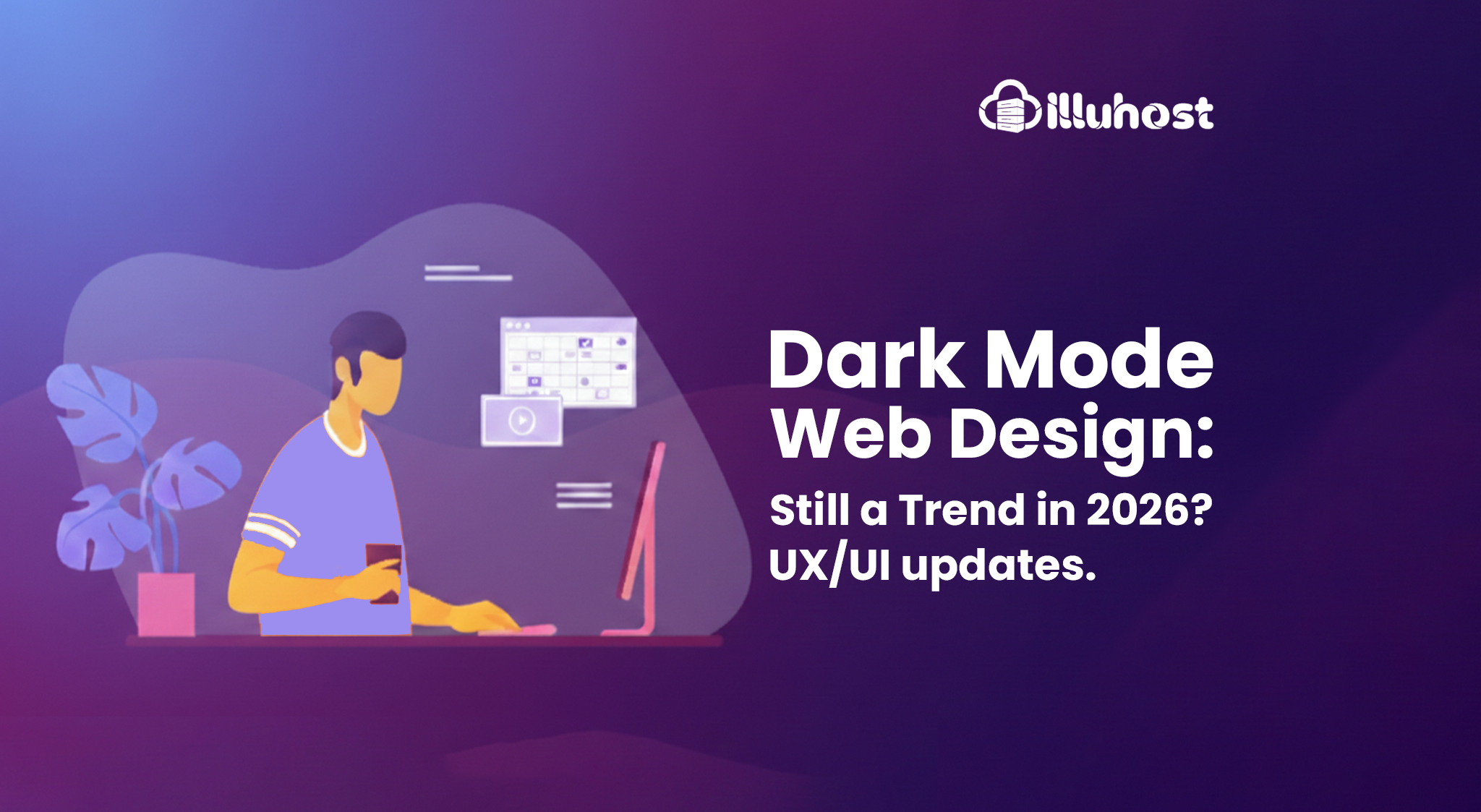
A few years ago, dark mode felt like a fresh, modern feature that made websites look sleek and futuristic. Fast forward to 2026 — and the question many designers and business owners are asking is: Is dark mode still a trend, or has it become a standard?
The short answer? Dark mode is no longer just a trend. It’s now a strategic UX/UI choice.
Let’s break down what’s happening in 2026 and what it means for your website.
From Trend to Expectation
When companies like Apple and Google introduced system-wide dark mode across their operating systems, it changed user expectations. Users became comfortable switching between light and dark themes on their devices — and they started expecting the same flexibility on websites.
By 2026, dark mode is:
- Common in SaaS platforms
- Standard in dashboards and admin panels
- Popular in portfolio and tech websites
- Frequently requested in mobile-first design
It’s no longer “cool.” It’s normal.
Why Dark Mode Still Works in 2026
1. Reduced Eye Strain (When Done Right)
Dark interfaces can feel more comfortable in low-light environments. However, poor contrast and incorrect typography can actually hurt readability. In 2026, designers focus more on:
- Softer dark grays instead of pure black
- High-contrast but accessible color palettes
- Clear visual hierarchy
2. Battery Optimization (Still Relevant)
On OLED and AMOLED screens, darker pixels consume less power. While battery savings aren’t dramatic for websites alone, it still supports mobile optimization — especially for heavy-use platforms.
3. Premium and Minimal Feel
Dark mode continues to give brands a modern, high-end appearance. That’s why industries like tech, gaming, AI startups, and crypto platforms still lean toward darker interfaces.
UX/UI Updates in 2026: What’s New?
Dark mode in 2026 isn’t just “white text on black background.” It has evolved.
1. Automatic Theme Switching
Websites now detect system preferences and switch themes automatically. This creates a seamless experience without forcing users to toggle manually.
2. Dynamic Color Systems
Modern UI systems use adaptive color variables. Instead of designing two completely separate themes, designers use token-based design systems that adjust intelligently across themes.
3. Dark-First Mobile Design
Some startups now design “dark-first” for mobile apps and progressive web apps, especially in tech and finance sectors.
4. Accessibility-First Design
In 2026, accessibility is no longer optional. Designers ensure:
- WCAG-compliant contrast ratios
- Clear focus states
- Proper font weight and spacing
Dark mode without accessibility is considered outdated.
When Dark Mode Is NOT the Best Choice
Despite its popularity, dark mode is not ideal for every website.
It may not work well for:
- Content-heavy blogs
- Educational platforms
- Long-form reading experiences
- Medical or government websites
For reading-intensive sites, light backgrounds often provide better clarity and scanning speed.
The smart approach in 2026? Offer both options.
Is Dark Mode Still a Trend?
Here’s the honest answer:
- In 2019–2022 → It was a design trend.
- In 2023–2025 → It became a user preference.
- In 2026 → It’s a UX expectation in many industries.
Dark mode is no longer about style — it’s about user control.
Final Thoughts
Dark mode web design is still relevant in 2026 — but not as a gimmick. It’s part of a thoughtful UX strategy. The best websites today:
- Support both light and dark themes
- Focus on accessibility
- Use modern design systems
- Prioritize readability over aesthetics
If you’re building or redesigning a website in 2026, the question isn’t “Should I use dark mode?”
The real question is:
“How can I give users the best visual experience — day or night?”